Heat Resistant & Energy Saving Remodeling Materials for McKinney Homes Efficiently
Heat-resistant and energy-saving materials make McKinney homes cooler in summer and warmer in winter by blocking outside heat and keeping indoor air stable. This lowers energy use, cuts power bills, and protects the home from strong Texas heat. These materials also last longer, so homeowners save money over time and enjoy better comfort.
Understanding Heat Resistant and Energy Saving Materials
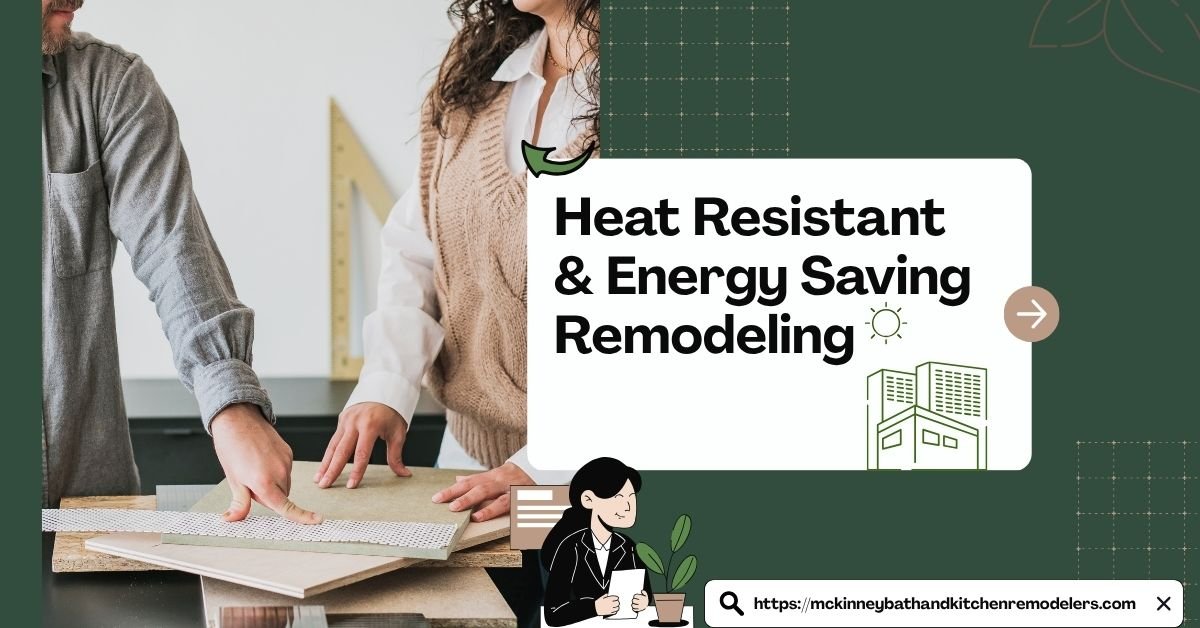
Heat-resistant and energy-saving materials help keep homes cool and comfortable. They block heat from entering and reduce the need for extra cooling. These materials are often used in home remodeling and renovation to improve comfort and efficiency.
What Makes a Material Heat Resistant
Materials reflect or block heat instead of absorbing it. They are used in roofs, walls, and insulation to keep indoor spaces cooler, especially in hot weather.
How Energy-Saving Materials Work in Homes
Energy-saving materials keep cool air inside and stop hot air from coming in. This helps maintain a steady indoor temperature and reduces energy use.
Best Materials for Hot Climate Homes
Hot climates need smart building materials that can handle strong heat. The right materials help keep the inside of the home cool and protect it from damage caused by high temperatures. These materials also improve comfort and help reduce energy use, making the home more efficient and pleasant to live in.
Roofing Materials That Block Heat
Roofing plays a big role in controlling indoor temperature. Heat-blocking roofs reflect sunlight instead of absorbing it. This helps stop heat from entering the home and keeps rooms cooler during hot weather. A good roof also protects the home and lasts longer in strong sun.
Insulation for Temperature Control
Insulation helps keep the home at a steady temperature. It traps cool air inside during summer and blocks hot air from coming in. With proper insulation, rooms stay comfortable, and the cooling system does not have to work as hard.
Windows and Doors That Reduce Heat
Energy-efficient windows and doors are designed to limit heat entry. They allow natural light to come in while keeping hot air outside. This makes indoor spaces cooler, brighter, and more comfortable all day.
Where to Use These Materials in Your Home
Placing the right upgrades in the correct areas makes a big difference. They help keep the home cooler, improve comfort, and lower energy bills.
Walls, Attics, and Roof Areas
These areas face the most heat from outside. Adding strong insulation and heat-blocking layers in walls, attics, and roofs helps stop hot air from entering the home. This keeps indoor spaces cooler and protects the structure.
Living Spaces and Bedrooms
Living rooms and bedrooms should stay comfortable all day. Using energy-saving windows, insulated walls, and good ventilation helps keep these spaces cool, quiet, and relaxing even during hot weather.
Kitchens and Bathrooms
Kitchens and bathrooms already create extra heat and moisture. Heat-resistant surfaces, proper insulation, and good airflow help control temperature and keep these rooms fresh, safe, and easy to use.
Cost and Long-Term Savings
Investing in the right materials may cost more at first, but it saves money over time. Choosing smart upgrades helps lower monthly energy bills while keeping the home comfortable and efficient.
Upfront Cost vs Monthly Energy Bills
Some upgrades cost more initially, but they reduce the need for air conditioning and heating. Over time, lower energy bills make the investment worthwhile.
Long-Term Comfort and Durability
Using durable and well-planned upgrades keeps the home comfortable for years. These choices reduce maintenance and make renovations last longer.
Working with the Right Professionals
Hiring the right professionals ensures your home upgrades are done correctly. Skilled experts help choose materials that last longer and perform better in hot climates, keeping your home comfortable and protected.
Choosing Skilled Local Experts
Local contractors understand the climate and common challenges in McKinney homes. They know which materials work best and can guide you to make smart, long-lasting choices.
Planning Smart Material Selection
Proper planning with professionals ensures materials are used in the right areas, fit your budget, and provide long-term comfort and savings. This approach improves the quality and efficiency of your home renovations.
Conclusion
Using the right materials and planning smart home upgrades helps keep McKinney homes comfortable and protected in hot weather. Working with skilled local professionals ensures long-lasting results, lower energy bills, and a home that stays efficient and pleasant for years. Proper upgrades in roofs, walls, windows, and living spaces make every renovation worthwhile.
FAQs
What materials help keep homes cool in hot weather?
Roofing, insulation, reflective windows, and proper siding help reduce heat inside the home.
How do these upgrades save energy?
They keep cool air inside and hot air out, lowering the need for air conditioning and reducing electricity bills.
Which areas benefit most from these upgrades?
Roofs, walls, attics, living spaces, kitchens, bathrooms, and outdoor areas benefit the most.
Why hire local professionals for these upgrades?
Local experts know the climate and recommend the best materials and placements for long-lasting comfort and efficiency.
Are these upgrades expensive?
Some may cost more upfront, but they save money over time with lower energy bills and less maintenance.