mckinneybathandkitchenremodelers.com
How to Avoid Remodeling Delays in McKinney Homes: Stop Frustration Before It Starts
Most remodeling delays in McKinney homes happen because of unclear plans or unexpected problems. The good news is you can avoid them with smart planning. Start by making a clear plan, choosing the right contractor, and making important decisions early. Manage your materials, permits, and inspections carefully to keep the project on track.
Whether you are remodeling your kitchen, bathroom, or any part of your home, following these simple steps will help you finish faster and enjoy your upgraded space without stress. With proper planning, your home project can be smooth, timely, and hassle-free.
Why Remodeling Delays Happen in McKinney Homes
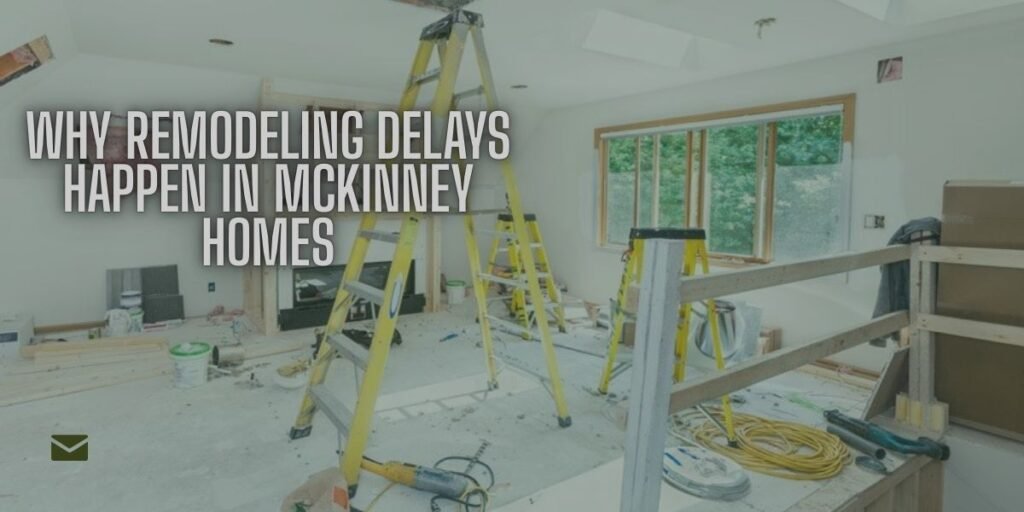
Remodeling delays happen more often than people expect. Most delays are caused by poor planning, hidden problems in older homes, material issues, or waiting for permits. Knowing these common problems helps homeowners plan better. With clear communication and smart project management, you can finish your home renovation on time and enjoy your new space without stress.
Poor Planning and Unclear Scope
Delays often start with poor project planning. If the scope of work is unclear, contractors cannot follow a smooth construction workflow. Using a licensed contractor or local remodeling contractor to make a clear plan and get written approvals helps avoid confusion. Clear design planning and progress updates keep the project on track.
Unexpected Issues in Older Homes
Older homes may hide structural issues, plumbing issues, or electrical problems. These can slow down residential remodeling if unplanned. Inspecting the house first and keeping a budget buffer and timeline buffer helps manage surprises without delaying the project.
Material and Supply Delays
Remodeling can be delayed if materials like kitchen cabinets, flooring materials, or bathroom fixtures are late. Choosing local suppliers, checking material lead times, and tracking deliveries in advance keeps construction workflow smooth.
Permit and Inspection Waiting Times
Many homes need city permits and building inspections. Waiting for approvals can stop work. Following the permit process, scheduling inspections early, and understanding local building codes help the project stay on schedule.
How to Plan Your Remodeling Project Effectively
Planning your home remodeling carefully helps avoid delays. Set clear goals, choose the right contractor, and track progress. Written approvals and timelines keep the project on track.
Set Clear Goals and Timeline
Decide what changes you want. List rooms, features, and materials. Make a timeline to finish each task on time.
Choose the Right Local Contractor
Pick a licensed contractor or local remodeling contractor. They know permits, building codes, and avoid scheduling conflicts.
Budget Planning and Contingency
Set a budget with a buffer for unexpected costs. Include materials, fixtures, and a timeline buffer to handle delays.
Managing Materials and Resources
Managing materials and resources well can prevent remodeling delays. Proper project planning and construction workflow make residential remodeling smoother. Early selection of materials, tracking deliveries, and working with reliable suppliers help keep your home renovation on schedule. Clear communication and progress updates with your contractor ensure everything arrives and is ready when needed.
Select Materials Early
Decide on construction materials, kitchen cabinets, flooring materials, and bathroom fixtures before starting the project. Early material selection avoids delays and keeps the construction timeline smooth.
Consider Local Suppliers and Lead Times
Work with local suppliers to reduce waiting time. Check the material lead time for all items. Local suppliers help maintain a steady supply of materials and prevent scheduling conflicts.
Track Deliveries and Inventory
Keep a record of all deliveries and inventory. Confirm items arrive on time and in good condition. This helps the licensed contractor or local remodeling contractor avoid mid-project changes and stay on schedule.
Understanding Permits and Inspections

Permits and inspections are a key part of any home remodeling project. Without them, remodeling delays can happen. Following the permit process and knowing local building codes helps your residential remodeling stay on schedule. A licensed contractor or local remodeling contractor can guide you through the steps and make sure everything is approved on time.
Required Permits for McKinney Homes
Many home renovations need city permits. These include permits for electrical work, plumbing, and structural changes. Knowing what permits are required before starting prevents delays. Your contractor can help get the right permits and follow local building codes.
Schedule Inspections in Advance
Schedule building inspections early in the project. Waiting until the last minute can slow down construction. Regular inspections and clear communication with your contractor keep the construction workflow smooth.
Avoiding Approval Delays
To avoid delays, submit permit applications on time and provide all required documents. Keep progress updates and written approvals handy. Planning inspections and approvals ahead ensures your remodeling project finishes on time without problems.
Avoiding Mid-Project Changes
Mid-project changes are a common cause of remodeling delays. Making changes after the work has started can slow down your home renovation and increase costs. Careful project planning and a clear scope of work help reduce these changes. A licensed contractor or local remodeling contractor can guide you to stick to the original plan and keep your residential remodeling on schedule.
Why Changes Cause Delays
Changes during construction disrupt the construction workflow. They can delay tasks, affect material selection, and create scheduling conflicts. Even small changes can impact the construction timeline and overall project management.
How to Handle Necessary Adjustments
Sometimes adjustments are unavoidable. Make decisions quickly and clearly. Use a budget buffer and a timeline buffer to manage any extra work. Keep written approvals for all changes to avoid confusion later.
Communication with Contractor
Clear communication with your contractor is essential. Share progress updates regularly and discuss any mid-project changes before making them. This helps local remodeling contractors manage the project efficiently and prevents unnecessary remodeling delays.
Tips for Smooth Communication in McKinney, Tx

Clear communication helps avoid remodeling delays. A licensed contractor or local remodeling contractor can manage the construction workflow better when communication is simple and organized.
Set a Point of Contact
Pick one person to communicate with the contractor. This prevents confusion and keeps the construction timeline on track.
Regular Progress Updates
Check progress regularly. Track materials like kitchen cabinets, flooring materials, and bathroom fixtures to prevent scheduling conflicts.
Written Approvals and Decisions
Keep approvals and decisions in writing. This prevents misunderstandings and helps manage mid-project changes smoothly.
Planning for Unexpected Problems
Unexpected problems can cause remodeling delays in home renovation. Older homes may have hidden structural, electrical, or plumbing issues. Proper project planning and a licensed contractor can help handle these challenges and keep residential remodeling on track.
Hidden Structural, Electrical, or Plumbing Issues
- Inspect older homes early for hidden problems.
- Look for structural issues, plumbing issues, and electrical issues.
- Spotting problems early reduces remodeling delays.
- Helps avoid mid-project changes.
How to Use Budget and Timeline Buffers
- Set a budget buffer for unexpected costs.
- Include a timeline buffer for potential delays.
- Keeps project management and construction workflow smooth.
Quick Decision-Making Strategies
Make decisions quickly when problems arise. Clear communication with your remodeling contractor and written approvals help avoid further remodeling delays and keep your construction timeline on track.
Conclusion:
Avoiding remodeling delays requires careful planning and clear communication. Set goals, choose the right licensed contractor, manage materials, and follow the permit process. Prepare for unexpected problems with budget and timeline buffers. Regular progress updates, written approvals, and quick decision-making keep your home renovation on track. By following these steps, residential remodeling becomes smoother, faster, and stress-free, helping you enjoy your upgraded home without delays.
FAQs:
What causes remodeling delays in home renovation?
Remodeling delays often happen due to poor project planning, unexpected issues in older homes, material delays, or waiting for city permits and inspections.
How can I avoid delays in my residential remodeling?
Clear goals, hiring a licensed contractor, early material selection, and proper progress updates help avoid delays.
Do I need permits for home remodeling?
Yes. Most projects require city permits and building inspections. Following local building codes prevents delays.
How can I handle unexpected problems during remodeling?
Use a budget buffer and a timeline buffer. Inspect older homes early and make quick decisions with written approvals.
Why is communication important with a remodeling contractor?
Clear communication prevents mid-project changes, scheduling conflicts, and keeps the construction workflow smooth.